
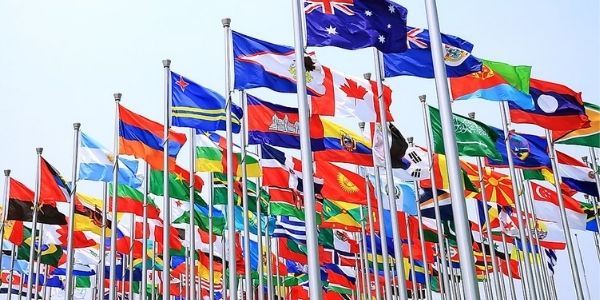
To begin with, we all have heard about Commonwealth Games, today in this article we will understand the Commonwealth Countries. Further, it is also one of the essential topics for the IAS exam. Know the list of Commonwealth Countries, members, headquarters, nations, and other details. Then, one needs to remember all essential points, so while reading the article, try to note down all important points; it will help with your exam preparations. As one must cover various topics for the exam, this is also one of the essentials for the IAS exam. So, Let’s Begin.
Commonwealth
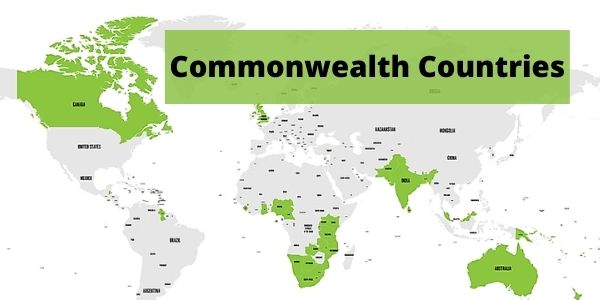
The Commonwealth of Nations is commonly known as Commonwealth in the first place. Further, it is a political association of 54 members states, almost all of which are former territories of the British Empire. The Commonwealth of Nations used to be known as British Commonwealth. Then, Commonwealth headquarters are present in Marlborough House, London, England, and the working language is English. Let us learn more below and know how to prepare for the exam.
History
The Commonwealth is originated from the imperial conferences of the late 19th and early 20th centuries. Further, below we have added in detail the history of the same.
- 1887: Lord Rosebery describes the British Empire as the Commonwealth of Nations.
- 1926: Balfour Declaration.
- 1931: Statute of Westminster.
- 1949: Ireland becomes a Republic.
- 1950: London Declaration.
- 1995: The Coomonwealth Ministerial Action Group was set up to deal with governments that continuously violate Commonwealth principles.
- 2000: It suspended Fiji after the overthrow of the elected government.
- 2002: Zimbabwe was suspended after elections were marred by violence and intimidation.
- 2013: The Gambia announced its withdrawal, though they joined again in 2018.
Structure of Commonwealth Countries
Commonwealth is an organization where you will find countries with diverse economic backgrounds. Further, activities of the Commonwealth are designed to form an environment of economic cooperation between member nations and promote democracy and good governance in them. Additionally, it is not a political union in any manner, and it will not allow the UK to implement any powers over the affairs of the organization’s other members. Some of the nations of the Commonwealth called Commonwealth Realms recognize the British Monarch as their head of state.
Commonwealth Secretariat
Further, the Commonwealth Secretariat was formed in 1965. Besides, it facilitates cooperation among member governments and countries. Also, it organizes Commonwealth summits, ministers’ meetings, consultative meetings, and technical discussions. It also assists policy development, offers policy advice, and facilitates multilateral communication among member governments.
Objectives
Further, the objectives of the Commonwealth were formed first in the 1971 Singapore Declaration. It aimed to promote world peace, promote respective democracy, and individual liberty. Later, the highest priority aims are to promote democracy and development. Lastly, all members hold common principles.
Commonwealth Members
To begin with, one can become a member of the Commonwealth by accepting the association’s primary aims. Further, members must be present or past constitutional links to the UK or another Commonwealth member.
Later, there were 54 countries present in the Commonwealth. Thirty-two of the members are classified as small states, and they are vulnerable to things like climate change or developmental challenges. Further, every two years, the member countries meet to discuss the Commonwealth’s issues. Besides, all the members have an equal opportunity to keep their points. Therefore, it makes sure even the smallest countries have a voice shaping the Commonwealth.
List of Commonwealth Countries
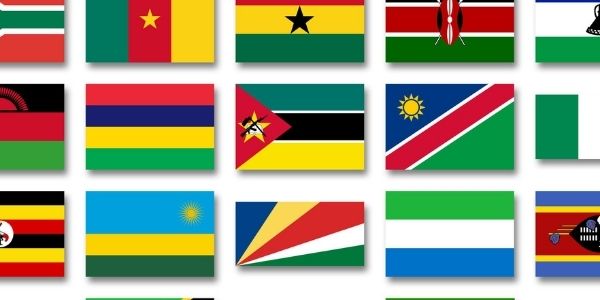
Check out the below table to know the list of commonwealth countries.
| Antigua and Barbuda | Jamaica | Saint Lucia |
| Australia | Kenya | Samoa |
| The Bahamas | Kingdom of Eswatini | Seychelles |
| Bangladesh | Kiribati | Sierra Leone |
| Barbados | Lesotho | Singapore |
| Belize | Malawi | Solomon Islands |
| Botswana | Malaysia | South Africa |
| Brunei Darussalam | Maldives | Sri Lanka |
| Cameroon | Malta | St Kitts And Nevis |
| Cyprus | Mozambique | Tonga |
| Dominica | Namibia | Trinidad And Tobago |
| Fiji | Nauru | Tuvalu |
| The Gambia | New Zealand | Uganda |
| Ghana | Nigeria | United Kingdom |
| Grenada | Pakistan | United Republic of Tanzania |
| Guyana | Papua New Guinea | Vanuatu |
| India | Rwanda | Zambia |
India and Commonwealth
India became a dominion from 1947 to 1950, and it had been involved in every important part of the Commonwealth. Further, India is one of its top funds, experts, and training sources. Besides, India also hosted the 24th commonwealth summit in New Delhi in 1983.
Further, for the latest developments, Maldives re-joined the Commonwealth for more than three years. Later, in 2016, the Maldives pulled out of the Commonwealth. As a result, the Maldives has been formally reinstated into the Commonwealth as its 54th member state.
Benefits
Further, the association’s Commonwealth members bring benefits through the Commonwealth Fund for Technical Cooperation (CFTC). Besides, it promotes economic and social development and the removal of poverty. Lastly, the Commonwealth Games are the major international event in the sporting world.
We have only tried covering the essential part of the exam. But one can visit the official site for more details if you are interested in all the details from the start. However, we have covered all the essential points to help you with the exam.
Why it is important for the IAS?
Further, it is a usual question to ask why it is essential for the IAS? As we all know, it is one of the famous exams present in India. Further, to clear the exam is a big thing. It is the toughest exam because of the exam syllabus. However, it is important for one to cover the syllabus to get the best results in the exam. Further, it is an important part of the International Relations section of the General Studies paper-2. Then, there are three main stages in the IAS exam, and one must clear all stages. So, this concept is important for the IAS prelims and the main exam. Further, it is the dynamic part and vital for the exam. One must also solve the previous year’s paper to understand the concepts better.
Further, to get the best results in the exam, one needs to follow some tips. First, one must know the exam syllabus and the exam pattern. Then, know which books are best for all subjects and revision is the most important thing in any exam. Besides, one must give mock tests to learn your skills and how you can improve.
Later, one can go through the official website, click here. Then, you will find all the necessary details that are important for the IAS exam. It is essential for one to visit the site often to get the latest details of the exam.
Conclusion – Commonwealth Countries
To conclude, the article mainly speaks about the list of Commonwealth Countries. Further, you will get all details like Commonwealth headquarters, countries, and other information. All os us have heard about the Commonwealth Games, and we have seen it. It is also one of the essential concepts to understand for the IAS exam. As a part of the UPSC exam study materials, we have added all the essential information to help you prepare. Further, one must refer to the previous year’s question papers to know the question type, format, and other details. Solving question papers will help you in various ways. Then, get all the UPSC exam study materials; we have covered all the essential things vital for the exam. Click Here.
Later, it is tough to remember all things related to the list of commonwealth countries and other details. Therefore, make sure you have noted down all the essential points necessary for the exam. Further, try to give mock tests that will help you to improve your skills. There are many things to be taken care of in the IAS exam, right from filling the application to the results. Therefore, to help you with the same, we have added all information related to the IAS exam. Read More. However, to clear the exam, one must put in all efforts and hard work to get the best results. Further, one can join classes or can study on their own. All the best with your exams.
FAQs – Commonwealth Countries
Lastly, we have added some questions below on the topic discussed above.
There are a total of 54 countries.
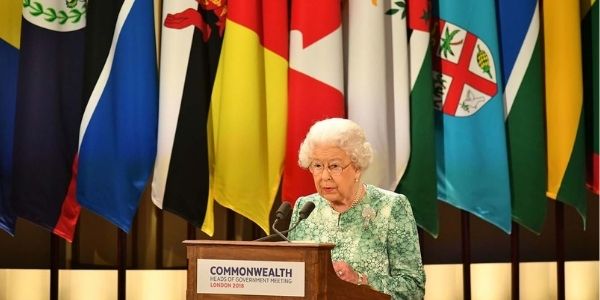
Commonwealth headquarters is at Marlborough House, London.
The head of the Commonwealth British monarch
The smallest Commonwealth countries are Nauru, an island
With this topic know important points and make a brief note on the same. Further, study the same during the exam.
Editor’s Note | Commonwealth Countries
In summary, the above article speaks about the Commonwealth Countries, headquarters, and other details. The article provides you with all details that are vital for the IAS exam. Further, make sure that you have noted down all important points while reading the article. Commonwealth Games are one of the essential activity in which commonwealth nations comes together. Then, one must also understand India’s role in the same, and we have added details regarding the same. In addition, you will get information like history, structure, and benefits. It is hard to remember everything at once, therefore, one must revise to know and give mock tests to know about paper.
As we all understand the syllabus of the IAS exam, it is important for one to know the essential points. Further, in the article, we have covered details of the IAS exam and exam tips. Besides, you will find links to help you with the exam. One can clear the exam with the right plan and direction. Good Luck.