Life After Clearing UPSC: Training, Career Path & Realities of Civil Services
Clearing the UPSC Civil Services Examination (CSE) is a dream achievement for lakhs of aspirants in India. Years of disciplined preparation finally culminate in seeing one’s name in the final list. However, for many aspirants, a crucial question arises after success — what happens after clearing UPSC?
Life after UPSC is not just about power, authority, or prestige. It involves intensive training, ethical responsibility, administrative challenges, and lifelong learning. This article explains in detail the training process, career progression, service-wise roles, and real-life responsibilities of a civil servant.
From Rank List to Service Allocation
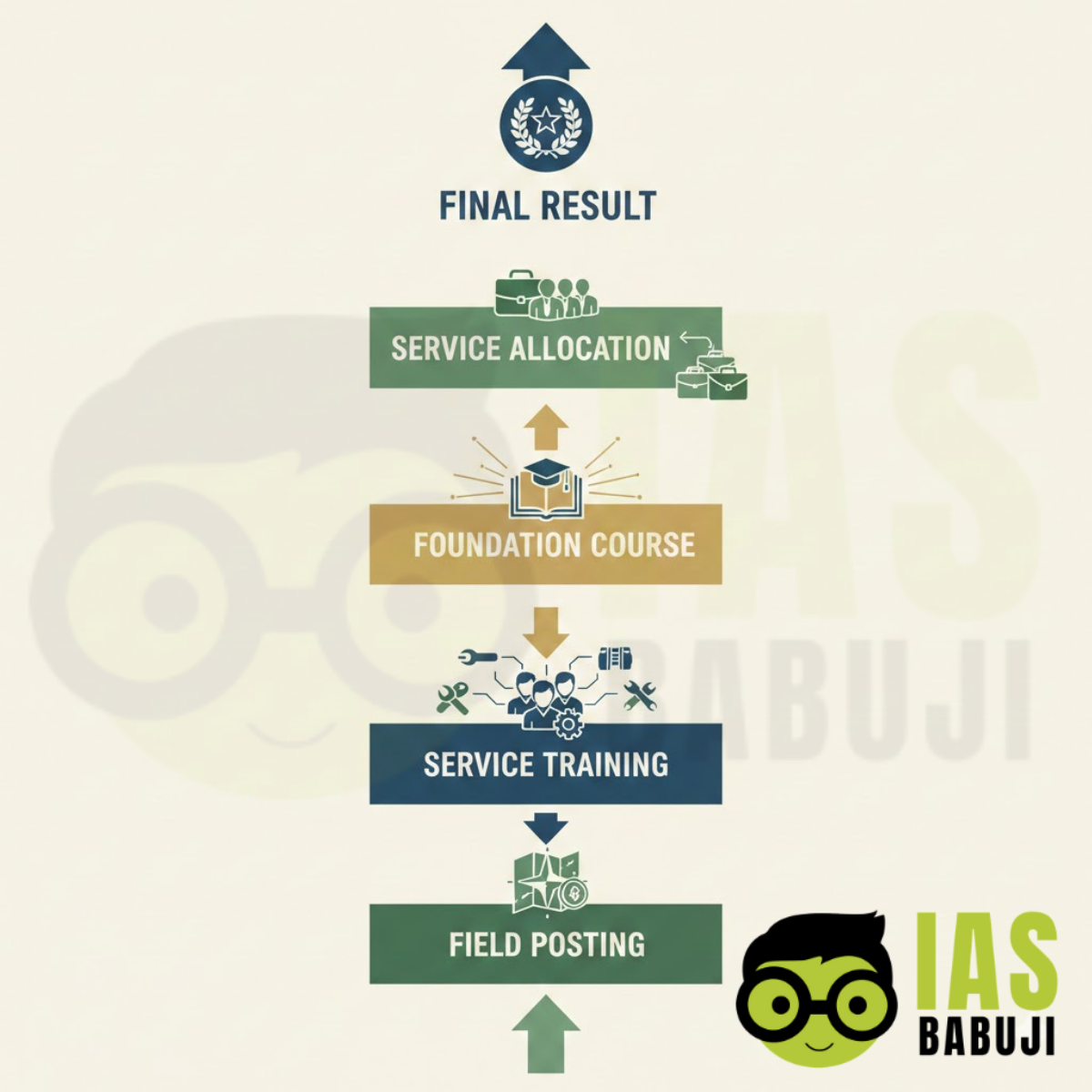
Once the final UPSC result is declared, candidates are allocated services based on:
- Rank secured
- Service preferences filled in the DAF
- Category and vacancies
Top Civil Services Include
- Indian Administrative Service (IAS)
- Indian Police Service (IPS)
- Indian Foreign Service (IFS)
- Indian Revenue Service (IRS)
- Indian Audit & Accounts Service (IA&AS)
- Other Group A & Group B services
Each service follows a structured but distinct career path.
Foundation Course at LBSNAA: The First Step
All selected candidates undergo a Foundation Course (FC) at
Lal Bahadur Shastri National Academy of Administration (LBSNAA), Mussoorie.
Duration
-
Around 3–4 months
Objectives of the Foundation Course
- Instilling constitutional values
- Developing leadership qualities
- Building administrative ethics
- Encouraging inter-service coordination
Key Components
- Indian Constitution & governance
- Ethics and integrity
- Public administration basics
- Physical training & trekking
- Bharat Darshan (All-India exposure tour)
This phase transforms aspirants into probationary officers with a strong sense of national responsibility.
Service-Specific Training
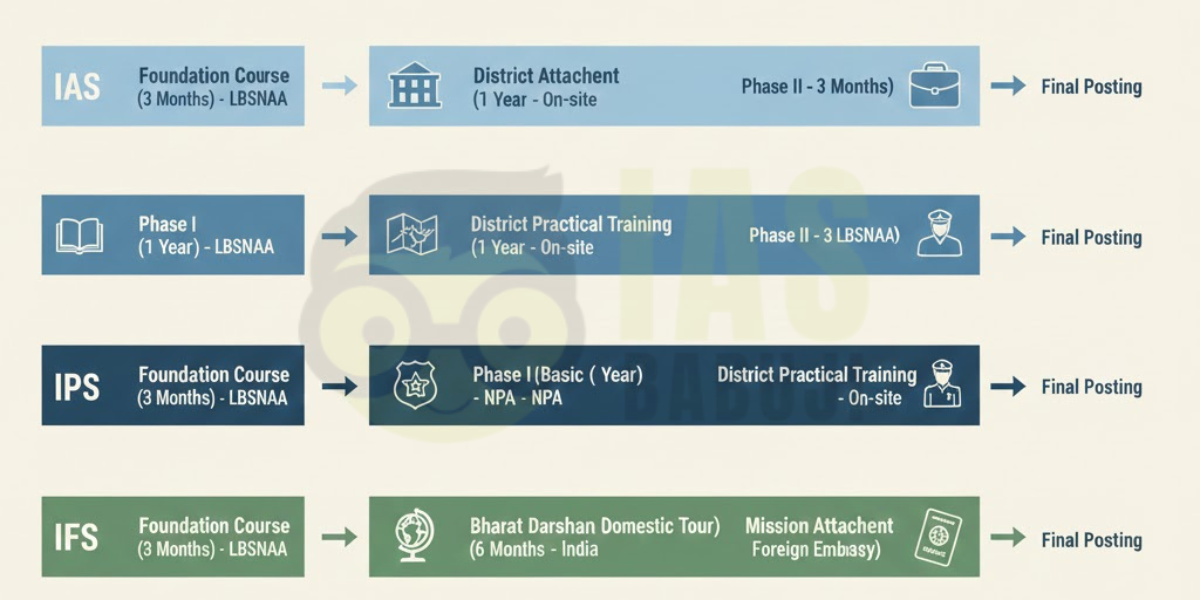
After the Foundation Course, officers move to service-specific academies.
IAS Training
- Conducted mainly at LBSNAA
- Includes:
- Land revenue systems
- District administration
- Law & order
- Development administration
- Field training as Assistant Collector / SDM
IPS Training
- Conducted at SVPNPA, Hyderabad
- Focus on:
- Criminal law
- Forensics
- Police leadership
- Arms and tactical training
IFS Training
- Conducted at SSIFS, New Delhi
- Emphasis on:
- International relations
- Foreign languages
- Diplomacy & protocol
- International law
Other Services
- IRS, IA&AS, and others have specialized academies focusing on finance, audit, taxation, or economic governance.
Probation Period & Field Exposure
The probation period usually lasts 2 years, during which officers:
- Work at grassroots levels
- Learn administrative procedures
- Handle real-life governance issues
- Are evaluated on conduct and performance
This stage is critical as it shapes an officer’s professional temperament.
Career Path of an IAS Officer (Illustrative)
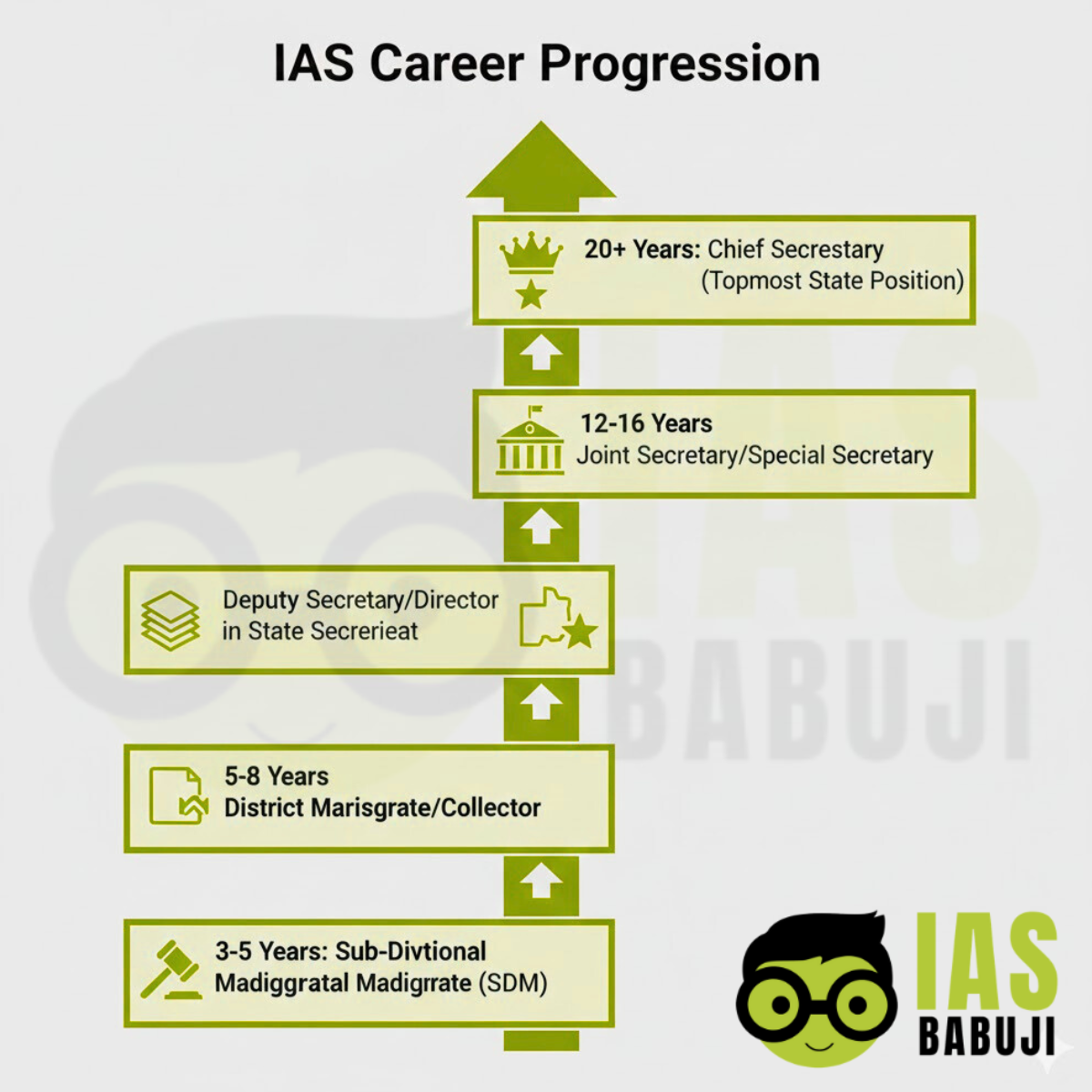
Early Career
- Sub-Divisional Magistrate (SDM)
- Chief Development Officer (CDO)
- Municipal Commissioner
Mid-Level Positions
- District Magistrate / Collector
- Director or Secretary in State Departments
Senior Positions
- Principal Secretary
- Chief Secretary (State level)
- Secretary to Government of India
Career progression depends on:
- Years of service
- Performance records
- Integrity and conduct
- Central deputation opportunities
Life Beyond Designation: Responsibilities & Challenges
Clearing UPSC is not the end of struggle — it marks the beginning of greater responsibility.
Daily Challenges
- Public grievances
- Political pressure
- Crisis management
- Ethical dilemmas
- Administrative accountability
Decision-Making Role
Civil servants are expected to:
- Remain neutral
- Uphold constitutional values
- Ensure public welfare
- Implement government policies effectively
This makes integrity and emotional intelligence crucial qualities.
Work-Life Balance & Personal Life
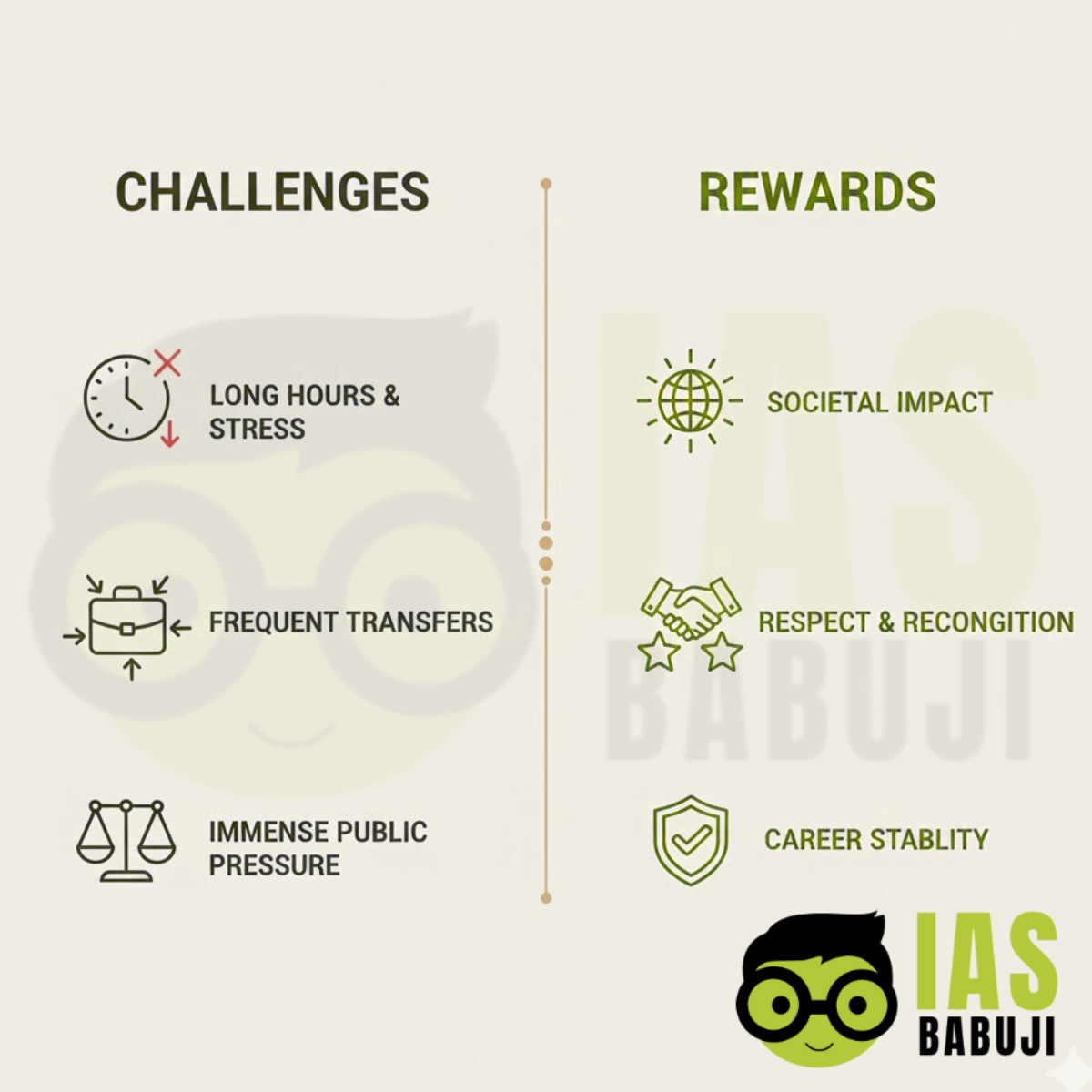
Contrary to popular belief, civil services are demanding professions.
- Long working hours
- Emergency duties
- Transfers across regions
- Pressure during elections and disasters
However, officers also enjoy:
- Job stability
- Respect in society
- Opportunities for learning
- Platform to bring real change
Foreign Postings, Deputations & Global Exposure
Civil servants may get opportunities for:
- Central deputation
- UN assignments
- World Bank or IMF roles
- Embassy postings (especially IFS)
- Training at international universities
These experiences broaden global perspectives and professional skills.
Post-Retirement Opportunities
Even after retirement, UPSC officers continue to contribute through:
- Constitutional positions (Governor, Election Commissioner)
- Policy think tanks
- Academic institutions
- Corporate advisory roles
- Social initiatives
Thus, a UPSC career often spans a lifetime of service to society.
Is Life After UPSC Glamorous? A Reality Check
While civil services offer authority and respect, they also demand:
- Personal sacrifice
- Continuous accountability
- Ethical courage
- Mental resilience
Success lies not in power, but in service, impact, and integrity.
Why Understanding Life After UPSC Matters for Aspirants
Knowing what lies ahead helps aspirants:
- Choose services wisely
- Build realistic expectations
- Stay motivated during preparation
- Align personal values with career goals
This understanding is an essential part of UPSC Preparation, not just exam strategy.
Conclusion
Life after clearing UPSC is a journey of learning, leadership, and lifelong responsibility. From rigorous training at academies to handling complex governance challenges, civil servants play a crucial role in shaping India’s future.
Clearing the exam is just the beginning — living up to the ideals of the Constitution every day is the real test.
For aspirants preparing seriously, clarity about post-UPSC life provides purpose and direction beyond marks and ranks.
FAQs: Life After Clearing UPSC
Q1. What happens immediately after clearing the UPSC exam?
After the final result, candidates are allocated services based on rank and preferences, followed by medical examination and document verification. Training begins with the Foundation Course.
Q2. Where does UPSC training take place?
- IAS: LBSNAA, Mussoorie
- IPS: SVPNPA, Hyderabad
- IFS: Sushma Swaraj Institute of Foreign Service, New Delhi
- Other services have specialized academies across India.
Q3. How long is the training period after clearing UPSC?
Training generally lasts 1.5–2 years, including the Foundation Course, service-specific training, and field postings during probation.
Q4. Do civil servants get a salary during training?
Yes. Officers receive full salary as per 7th Pay Commission during training, along with hostel and other facilities.
Q5. What is the role of an IAS officer at the district level?
An IAS officer typically serves as SDM or District Magistrate, handling administration, law & order, development programs, and public grievance redressal.
Q6. Can IAS officers work with international organizations?
Yes. Officers may be deputed to UN bodies, World Bank, IMF, or posted in Indian embassies (especially IFS officers).
Q7. Is work-life balance possible after clearing UPSC?
Work-life balance varies by posting. While the job is demanding, officers learn to manage time through experience and administrative support.
Q8. What career options are available after retirement from civil services?
Post-retirement roles include constitutional positions, policy think tanks, academia, advisory roles, and social leadership positions.
Q9. Is power guaranteed after clearing UPSC?
Authority comes with responsibility. Ethical conduct, accountability, and constitutional values guide the real exercise of power.
Q10. Why should aspirants know about life after UPSC during preparation?
Understanding post-UPSC life helps aspirants align motivation, service preference, and long-term career vision—a crucial part of serious UPSC Preparation.