UPSC Optional Subjects List: How to Choose the Right Optional for IAS Success
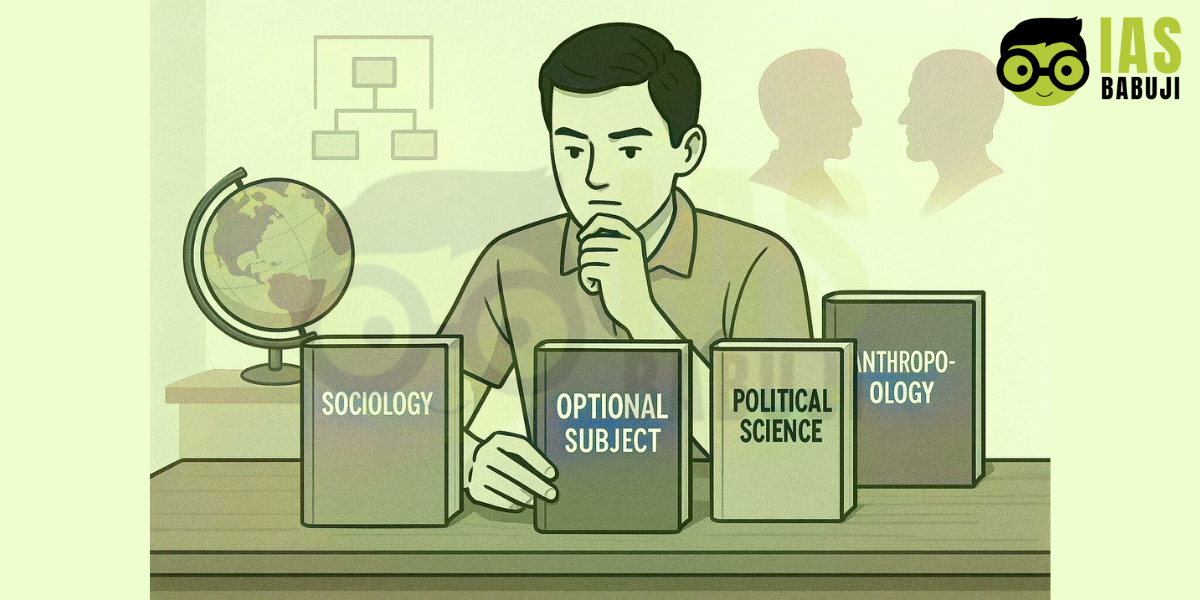
Choosing the right optional subject is one of the most critical decisions in the UPSC Civil Services Examination. While General Studies papers are common for all aspirants, the optional subject can significantly influence your final rank. With 500 marks (250 × 2 papers) at stake, the optional often becomes the make-or-break factor in UPSC Mains.
Every year, aspirants ask the same question:
“Which is the best optional subject for UPSC?”
The honest answer is—there is no universally best optional. The best optional is the one that aligns with your background, interest, availability of resources, and scoring potential.
This article provides a complete UPSC Optional Subjects list, explains selection criteria, debunks myths, and offers a step-by-step method to choose the right optional—especially useful for first-time aspirants.
Why the Optional Subject Is So Important in UPSC
The optional subject:
- Carries 500 marks (out of 1750 in Mains)
- Has no negative marking
- Allows in-depth mastery of one subject
- Often determines rank differences of 50–150 marks
Many toppers attribute their success to strong performance in the optional, even when GS scores were average.
This is why most serious aspirants—whether self-studying or guided through structured UPSC Preparation programs like The Prayas India—spend considerable time choosing their optional wisely.
Complete List of UPSC Optional Subjects
UPSC allows candidates to choose ONE optional subject from the following list:
Literature Optionals
- Assamese
- Bengali
- English
- Gujarati
- Hindi
- Kannada
- Kashmiri
- Malayalam
- Manipuri
- Marathi
- Nepali
- Odia
- Punjabi
- Sanskrit
- Sindhi
- Tamil
- Telugu
- Urdu
Non-Literature Optionals
- Agriculture
- Animal Husbandry & Veterinary Science
- Anthropology
- Botany
- Chemistry
- Civil Engineering
- Commerce & Accountancy
- Economics
- Electrical Engineering
- Geography
- History
- Law
- Management
- Mathematics
- Mechanical Engineering
- Medical Science
- Philosophy
- Physics
- Political Science & International Relations (PSIR)
- Psychology
- Public Administration
- Sociology
- Statistics
- Zoology
Key Factors to Consider While Choosing an Optional Subject
| Academic Background | Suitable Optional Subjects |
|---|---|
| Engineering / Science | Mathematics, Physics, Anthropology, Geography |
| Arts / Humanities | History, Sociology, PSIR, Philosophy |
| Commerce / Management | Commerce & Accountancy, Management, Economics |
| Medical / Life Sciences | Medical Science, Zoology, Anthropology |
1. Academic Background
If you already studied a subject during graduation or post-graduation, it can be a strong advantage.
Examples:
- Engineers → Mathematics, Physics, Civil/Mechanical Engineering
- Arts graduates → History, Geography, Political Science, Sociology
- Commerce graduates → Commerce & Accountancy, Management
However, background alone should not be the sole criterion.
2. Interest & Comfort Level
UPSC preparation is a long journey (1–2 years). If you dislike the subject, consistency becomes difficult.
Ask yourself:
- Can I study this subject daily?
- Do I enjoy reading its concepts?
- Can I revise it multiple times?
Interest often outweighs background in the long run.
3. Overlap with General Studies
Some optional subjects overlap significantly with GS papers, reducing overall workload.
High-overlap optionals include:
- Geography (GS I, III)
- Political Science & IR (GS II, Essay)
- Sociology (GS I, Essay)
- Public Administration (GS II)
- Anthropology (GS I)
This overlap is why many aspirants prefer these subjects under guided UPSC Coaching strategies.
4. Availability of Study Material
Before finalizing an optional, ensure:
- Standard textbooks are available
- Notes are accessible
- PYQs (previous year questions) can be solved
- Online/offline guidance exists
Subjects with limited material can become risky for beginners.
5. Guidance & Mentorship
Optional subjects require answer writing practice, evaluation, and feedback.
Many aspirants struggle not because of the subject, but due to lack of proper direction. Institutes like The Prayas India provide structured optional guidance, which helps aspirants stay aligned with UPSC demand.
6. Time Required to Complete the Optional
Some optionals are lengthy and require more preparation time.
| Optional Type | Subjects | Average Preparation Time |
|---|---|---|
| Short Syllabus | Sociology, Anthropology, Philosophy | 3–4 Months |
| Moderate Syllabus | Geography, PSIR, Public Administration | 4–6 Months |
| Lengthy / Technical | History, Law, Engineering Optionals | 6–8 Months |
Working professionals or first-timers often prefer compact optionals.
Most Popular UPSC Optional Subjects (Trend-Based)
1. Geography
- High GS overlap
- Diagram-friendly
- Static + dynamic balance
- Popular among beginners
2. Sociology
- Short syllabus
- Easy language
- High scoring potential
- Strong Essay relevance
3. PSIR
- Strong overlap with GS II
- Useful for Essay
- Good for candidates interested in governance & IR
4. Anthropology
- Scientific + static nature
- High success ratio
- Short syllabus
5. Public Administration
- Governance-oriented
- Useful for GS II
- Requires conceptual clarity
| Optional Subject | Syllabus Length | GS Overlap | Scoring Potential | Ideal For |
|---|---|---|---|---|
| Geography | Moderate | High | High | Beginners, Visual learners |
| Sociology | Short | Moderate | Very High | First-time aspirants |
| PSIR | Moderate | High | High | Policy & governance interest |
| Anthropology | Short | Low | High | Science-oriented students |
| Public Administration | Moderate | Moderate | Moderate | Administration-focused aspirants |
Myths About Optional Subjects (Debunked)
❌ “Some optionals are banned or unsafe.”
✔ No optional is officially unsafe. UPSC maintains balance.
❌ “Engineering optionals are no longer scoring.”
✔ Scoring depends on preparation quality, not subject popularity.
❌ “Literature optionals are easy.”
✔ They require deep literary understanding and writing skills.
Step-by-Step Method to Choose the Right Optional
Step 1: Shortlist 2–3 Subjects
Based on background, interest, and GS overlap.
Step 2: Read UPSC Syllabus Thoroughly
Understand depth, not just topic names.
Step 3: Analyze PYQs (Last 10 Years)
Check:
- Question trends
- Analytical demand
- Repetition patterns
Step 4: Study One Topic from Each Optional
Spend 7–10 days per subject before finalizing.
Step 5: Assess Resource & Guidance Availability
Confirm availability of notes, tests, and mentorship.
Optional Subject Strategy for Beginners
- Start optional early (within first 3–4 months)
- Complete syllabus once before Mains year
- Integrate answer writing early
- Revise multiple times
- Practice PYQs religiously
This structured approach is often emphasized in serious UPSC Preparation programs.
Role of Coaching in Optional Subject Selection
While self-study is possible, many aspirants benefit from:
- Syllabus decoding
- Model answers
- Structured test series
- Continuous feedback
That’s why aspirants often seek optional guidance through reputed UPSC Coaching institutes like The Prayas India, especially for GS–Optional integration.
FAQs: UPSC Optional Subjects – Selection & Strategy
Q1. How many optional subjects are there in UPSC?
UPSC provides a list of 48 optional subjects, including 25 literature optionals and 23 non-literature subjects. Candidates must choose only one optional for both Mains papers.
Q2. Which optional subject is best for UPSC beginners?
There is no single “best” optional. However, beginners often prefer Sociology, Geography, PSIR, Anthropology, or Public Administration due to shorter syllabi, GS overlap, and availability of resources.
Q3. Should I choose an optional based on marks trend?
Marks trend should be a secondary factor. The primary criteria should be interest, understanding ability, and consistency. UPSC normalizes scoring across optionals.
Q4. Can I choose an optional different from my graduation subject?
Yes. Many toppers have chosen optionals unrelated to their academic background and scored exceptionally well. Interest and strategy matter more than background.
Q5. Which optional has the highest overlap with GS papers?
High-overlap optionals include:
- Geography (GS I, III)
- Political Science & IR (GS II, Essay)
- Sociology (GS I, Essay)
- Public Administration (GS II)
Q6. Is literature optional a good choice?
Literature optionals are suitable only if you have strong language command, analytical writing skills, and academic exposure to that language.
Q7. How much time is required to prepare an optional subject?
On average:
- Short optionals: 3–4 months
- Moderate optionals: 4–6 months
- Lengthy/technical optionals: 6–8 months
Q8. Can working professionals manage optional preparation?
Yes, by choosing compact optionals and following a structured study plan. Many working aspirants rely on organized UPSC Preparation support systems to stay consistent.
Q9. Is coaching necessary for optional subjects?
Not mandatory, but guided evaluation, test series, and mentorship can significantly improve answer quality—especially for first-time aspirants.
Q10. When should I finalize my optional subject?
Ideally, within the first 2–3 months of starting UPSC preparation, so you can complete the optional syllabus before entering the Mains-focused phase.
Conclusion
Choosing the right optional subject is a strategic decision, not an emotional one. There is no perfect optional, only the right optional for you.
The best optional:
- Matches your interest
- Fits your background
- Has sufficient resources
- Allows consistent answer writing
Once chosen, stick to it with discipline and confidence.
“UPSC does not reward smart choices alone—it rewards consistent execution.”