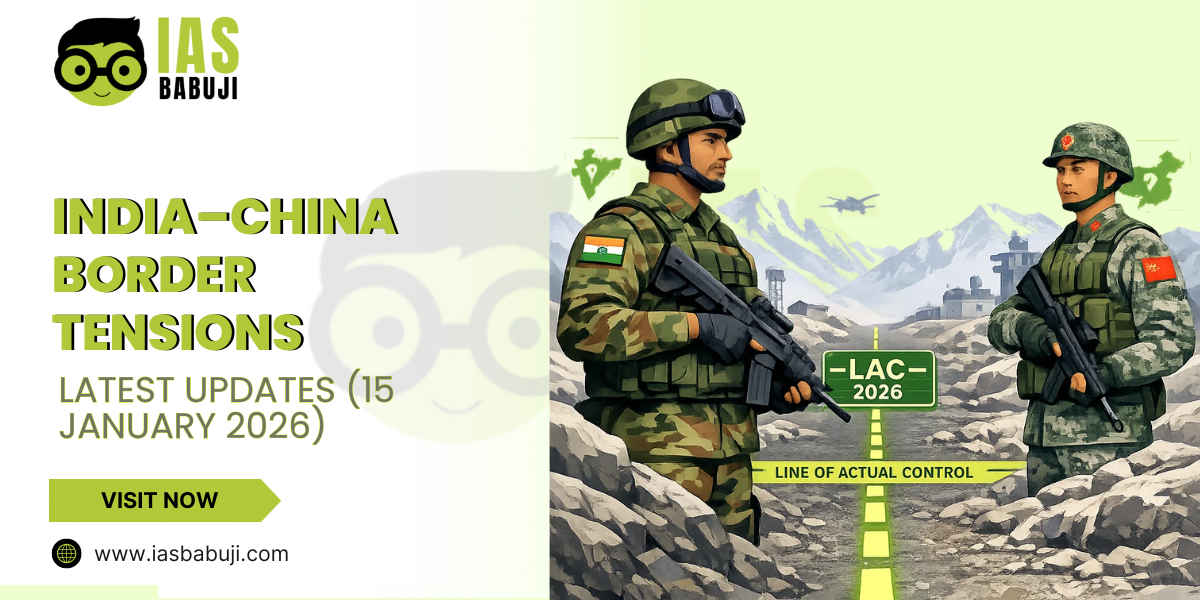
India–China Border Tensions: Latest Updates (15 January 2026)
Latest India–China Border Tensions Updates – Jan 2026
India and China’s border dispute remains one of South Asia’s most significant geopolitical flashpoints as both nations navigate military preparedness, diplomatic engagement, and territorial claims in early 2026. The standoff stems from the contested Line of Actual Control (LAC), unresolved boundary definitions, and broader strategic competition. Despite periodic disengagements and diplomatic dialogue, tensions persist, particularly over recently renewed Chinese claims to territory such as the Shaksgam Valley.
1. Renewed Territorial Dispute Over Shaksgam Valley
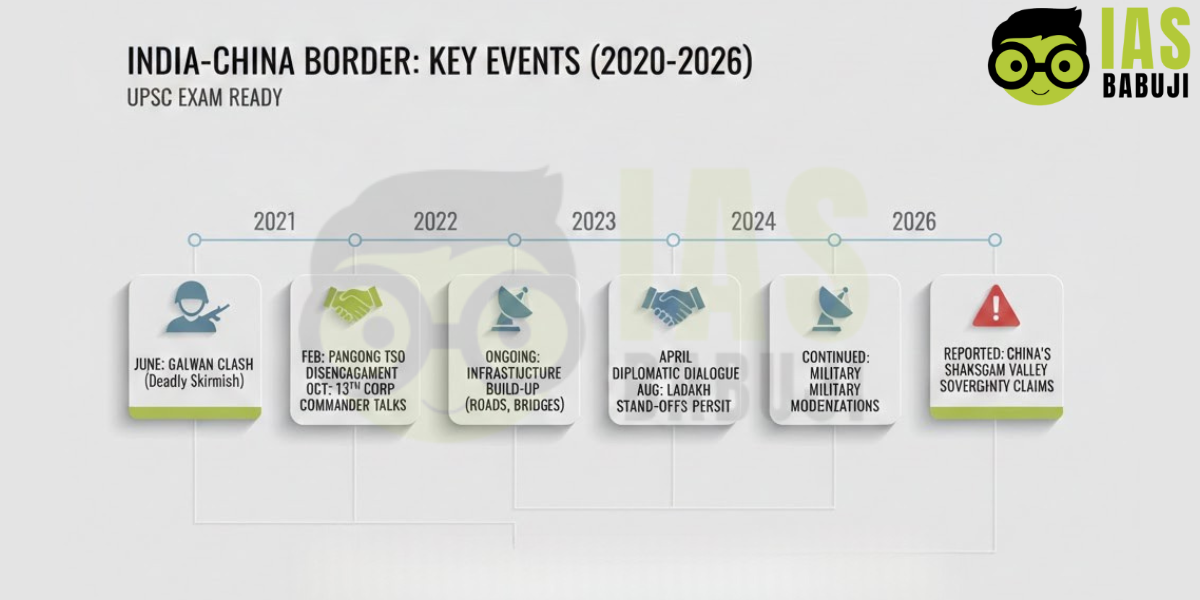
A major development in January 2026 has been the reassertion of China’s claim over the Shaksgam Valley, a region in Jammu and Kashmir that India insists is part of its sovereign territory but which China controls under a 1963 agreement with Pakistan. China justifies CPEC-linked infrastructure via Aghil Pass in Shaksgam as internal development, while India rejects Pakistan’s 1963 cession as illegal and void ab initio.
Indian Army Chief General Upendra Dwivedi condemned the Chinese claim as “illegal,” underlining that Pakistan lacked any legal right to transfer the area. He emphasised that while the overall situation along the northern border is currently stable, it requires constant vigilance and readiness.
This development adds a symbolic and strategic layer to the ongoing LAC tensions, intertwining the broader Kashmir dispute with border security dynamics.
2. Military and Border Preparedness
Indian defence leadership continues to highlight the importance of readiness along the LAC. The Army Chief has stressed that vigilance must be maintained, reflecting concerns over Chinese force posture and construction activities along the frontier, including infrastructure development near contested regions.
The India–China border has seen significant military deployments on both sides since the 2020 standoff, with both armies maintaining forward deployments and patrolling arrangements in multiple sectors of eastern Ladakh. Post-2024/early 2026 disengagements in Depsang/Demchok, buffer zones persist, but verification patrols resumed in January 2026, establishing a ‘stable but vigilant’ deployment posture with both sides enhancing logistics, surveillance, and forward positions.
While media reporting about ITBP deployments and additional border posts focuses on strengthening operational capabilities, continued emphasis on high readiness and infrastructure underscores New Delhi’s posture in safeguarding territorial integrity against any future escalation.

3. Diplomatic Engagement and Track II Contacts
Despite persistent tensions, there are signals of resumed diplomatic and political dialogue between Indian and Chinese interlocutors. Recently, a delegation from the Communist Party of China (CPC) engaged with Indian leaders, including the RSS General Secretary and representatives of the ruling BJP, touching on border tensions and broader bilateral issues.
These interactions, the first of their kind in over six years, reflect a cautious attempt at political communication beyond formal government channels. They come amid broader efforts to normalise ties through economic and people-to-people exchanges even as territorial disputes are unresolved.
4. Broader Geopolitical and Strategic Context
The India–China border issue cannot be viewed in isolation from wider strategic dynamics:
- The 2020 standoff in eastern Ladakh fundamentally altered military postures and trust levels between the two neighbours.
- India has pursued infrastructure development such as roads, tunnels, and airbases near the LAC to improve mobility and deterrence, chief among them projects like the Sela Tunnel in Arunachal Pradesh, which enhances troop mobility and logistics.
- Both sides continue to conduct periodic military and diplomatic dialogue through established mechanisms such as the Working Mechanism for Consultation and Coordination (WMCC) and Special Representatives talks on border affairs to manage and de-escalate incidents.
5. Diplomatic and Economic Balancing Acts
While security concerns dominate the narrative, there have been signs of economic rapprochement. For example, reports indicate India is considering lifting restrictions imposed on Chinese firms bidding for government contracts—restrictions originally introduced after the Galwan clashes—aimed at balancing economic cooperation with security imperatives.
Such policy recalibrations reflect India’s attempt to maintain a nuanced engagement: managing competition and confrontation on security fronts while engaging China economically where feasible.
6. What This Means for India–China Relations in 2026
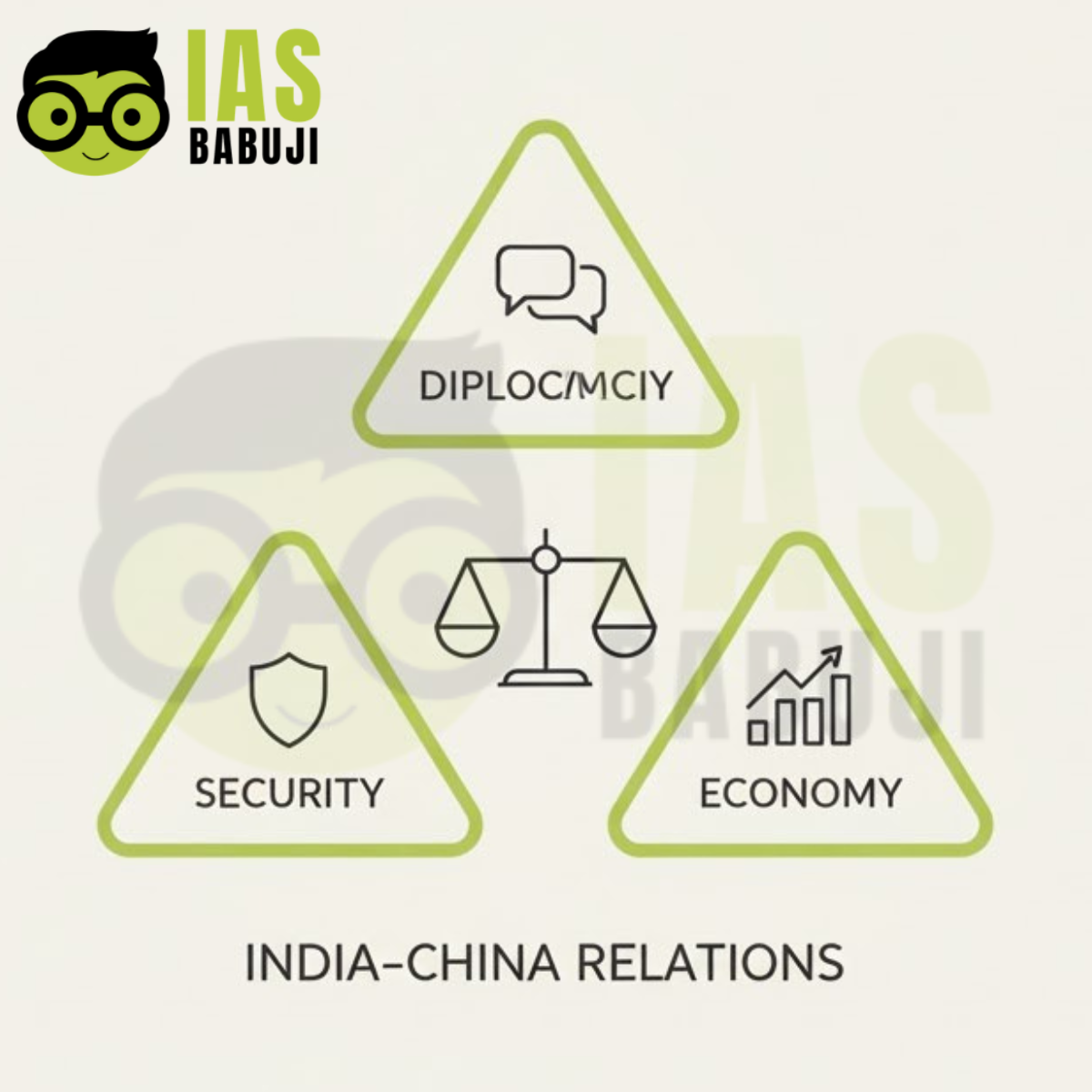
- Security: The reassertion of territorial claims and persistent deployments signal that India–China border tensions are unlikely to fade soon. The LAC remains a sensitive frontier requiring constant preparedness and effective border management.
- Diplomacy: Enhanced political dialogue and track-II interactions suggest space for diplomatic initiatives, though trust deficits endure.
- Strategic Balance: Infrastructure enhancements and force modernisation on both sides indicate that the conflict is likely to remain frozen but vigilant, with periodic diplomatic efforts aimed at preventing escalation.
Conclusion
The India–China border situation in early 2026 continues to be characterized by a combination of stable tension, diplomatic engagement, and strategic preparedness. Renewed territorial assertions by China over areas like the Shaksgam Valley have heightened strategic anxieties in New Delhi, while India’s firm rejection of such claims underlines its commitment to territorial integrity. At the same time, diplomatic outreach and political dialogues point to an effort to manage tensions without letting them derail broader engagement. For policymakers and strategists, the challenge remains to balance deterrence with dialogue, and military readiness with diplomatic channels to sustain peace and prevent escalation along one of the world’s most sensitive frontiers.
FAQs (For UPSC Revision)
Q1. Why is the Shaksgam Valley controversial?
China reasserted its claim citing historical agreements, but India deems the 1963 transfer by Pakistan illegal and views the area as part of Jammu and Kashmir.
Q2. What is the current situation along the LAC?
The situation is considered stable but sensitive with continued military vigilance and deployments on both sides.
Q3. Are India and China talking to resolve the border issue?
Yes, military and political dialogues continue at various levels to manage tensions and prevent escalation.
Q4. How does economic engagement fit into the border dispute context?
India’s consideration of easing curbs on Chinese firms suggests a nuanced approach: balancing security concerns with economic cooperation.